


Sep 19 2026Management

Tourism & Hospitality
Research presented by Dr Aiwa Romy and Dr Maren Viol examines the potential of fine arts and cultural heritage to support art tourism in Vietnam and Southeast Asia. The study highlights opportunities to revitalise underused artistic resources, attract cultural tourists and inform more experience-driven tourism development.

Stay up to date
Our website uses cookies to enhance your user experience and improve the effectiveness of our marketing activities. By clicking “Accept” or closing this window to continue browsing, you consent to our use of all cookies. If you do not agree to all cookies, please select “Manage cookies”. Learn more about our Privacy Policy and Cookie Policy for full details.
At the 7th International Conference on Sustainable Globalisation (ICSG), held in Colombo, Sri Lanka in January 2025, Dr Aiwa Romy and Dr Maren Viol delivered presentations on “Exploring Art Tourism in Southeast Asia: A Case Study on Fine Arts and Place Attachment in Vietnam.”
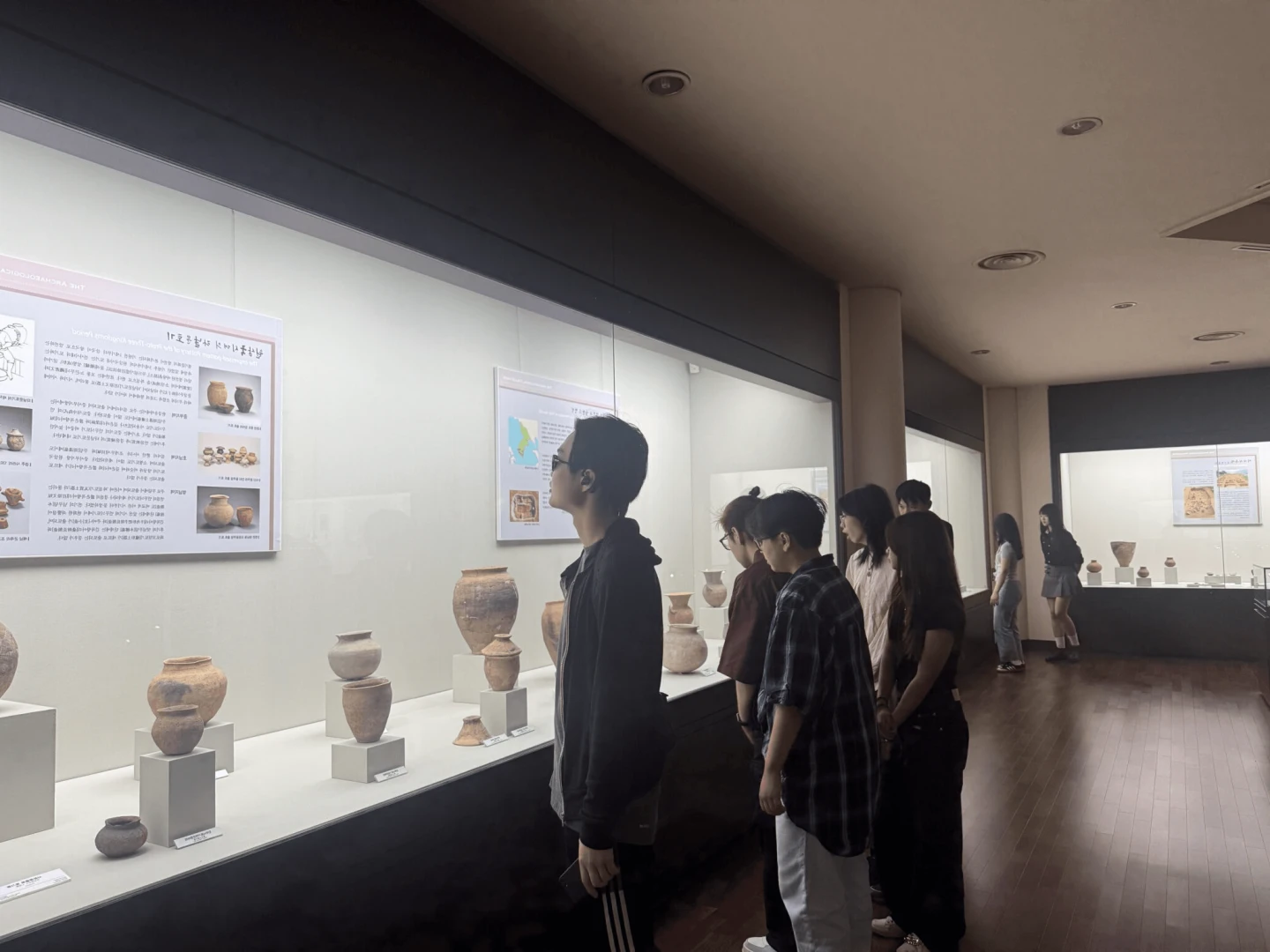
The study explores the role of fine arts in tourism, particularly within Southeast Asia, with a focus on Vietnam. While performing arts are commonly associated with tourism, fine arts and art exchanges remain largely overlooked, especially in non-Western contexts. The research highlights the significance of revitalising and promoting artistic remnants to attract cultural tourists with an interest in art subcultures. It also points out that Vietnam’s artistic resources and heritage sites are currently underutilised in tourism development.
Dr Aiwa Romy commented:
It was exciting to learn from the literature that discussions on ‘art and tourism’ have been increasing over the years; however, ‘art tourism’ as an independent form of tourism remains one of the least explored areas. The potentialities of art tourism in Asia warrant further academic and practical exploration. Art, as a tool for communication and for building emotional bonds between people and places from the purview of tourism, presents an engaging field of inquiry. This study underlines the need to revitalise artistic remnants and promote them to attract a meaningful cultural tourist gaze, particularly one that appreciates the subcultures of art.
The presentation contributes to growing discourse on alternative and experience-driven tourism models in the Global South, while also offering a nuanced lens on cultural policy and heritage interpretation in Vietnam.
MORE TO EXPLORE


