


Sep 19 2026Management

Tourism & Hospitality
A book chapter co-authored by BUV faculty member Dr Aiwa Romy examines how tourism can help Gulf Cooperation Council countries reduce oil dependency and build more diversified, service-oriented economies. The research highlights tourism’s potential to support sustainable growth, cultural exchange, global investment and long-term economic resilience.

Stay up to date
Our website uses cookies to enhance your user experience and improve the effectiveness of our marketing activities. By clicking “Accept” or closing this window to continue browsing, you consent to our use of all cookies. If you do not agree to all cookies, please select “Manage cookies”. Learn more about our Privacy Policy and Cookie Policy for full details.
In July 2025, a new book chapter by Dr. Aiwa Romy, faculty member at British University Vietnam (BUV), was published in “Tourism and Easternisation – Uniting Asian Philosophy, Global Events, and Geopolitical Forces”, a volume by Springer, one of the world’s leading academic publishers.
The chapter, titled “The Economic Landscape of the East: Historical Resilience on Petrodollars and the Shift Towards Diversification into the Service Sector in the Arab Peninsula”, co-authored with Mr. K. K. Mohammed Niyas (Mahatma Gandhi University, India), critically examines how Gulf Cooperation Council (GCC) countries – UAE, Saudi Arabia, Qatar, Oman, and Bahrain – are moving away from oil dependency toward a diversified, service-oriented economy.
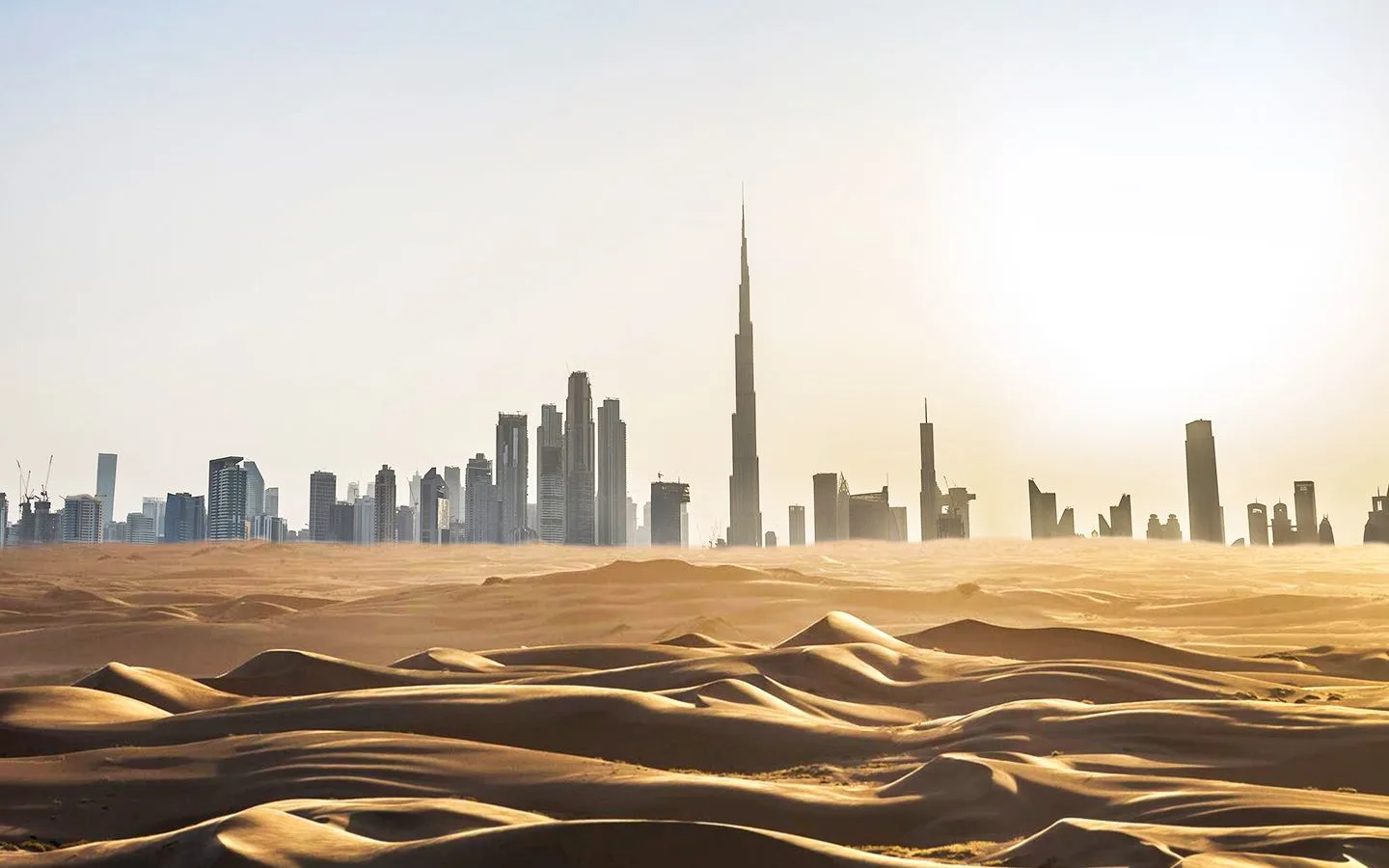
The research highlights the challenges of long-standing reliance on petrodollars, combined with oil price volatility and the shock of COVID-19, which underscore the urgency of economic reform. Through systematic review and case studies, the chapter positions tourism as a key driver of sustainable growth, fostering cultural exchange and attracting global investments.
It also explores the concept of Easternisation, where global power shifts toward Asia, creating opportunities for the Arabian Peninsula to leverage its strategic location and strengthen long-term economic resilience.
Read more about the publication here.
MORE TO EXPLORE


