

Undergraduate
BA (Hons) Marketing – Dual Degree
Awarded by: Manchester Metropolitan University

Student Life
Summary
Students from the School of Communications & Creative Industries at the British University Vietnam (BUV) recently took part in an enriching study tour to Viettel Academy (VTAca), gaining first-hand insights into how one of Vietnam’s leading technology corporations builds, manages, and lives its brand. The BUV delegation was welcomed by Colonel Dương Xuân Phượng, Deputy…

Stay up to date
Our website uses cookies to enhance your user experience and improve the effectiveness of our marketing activities. By clicking “Accept” or closing this window to continue browsing, you consent to our use of all cookies. If you do not agree to all cookies, please select “Manage cookies”. Learn more about our Privacy Policy and Cookie Policy for full details.
Students from the School of Communications & Creative Industries at the British University Vietnam (BUV) recently took part in an enriching study tour to Viettel Academy (VTAca), gaining first-hand insights into how one of Vietnam’s leading technology corporations builds, manages, and lives its brand.
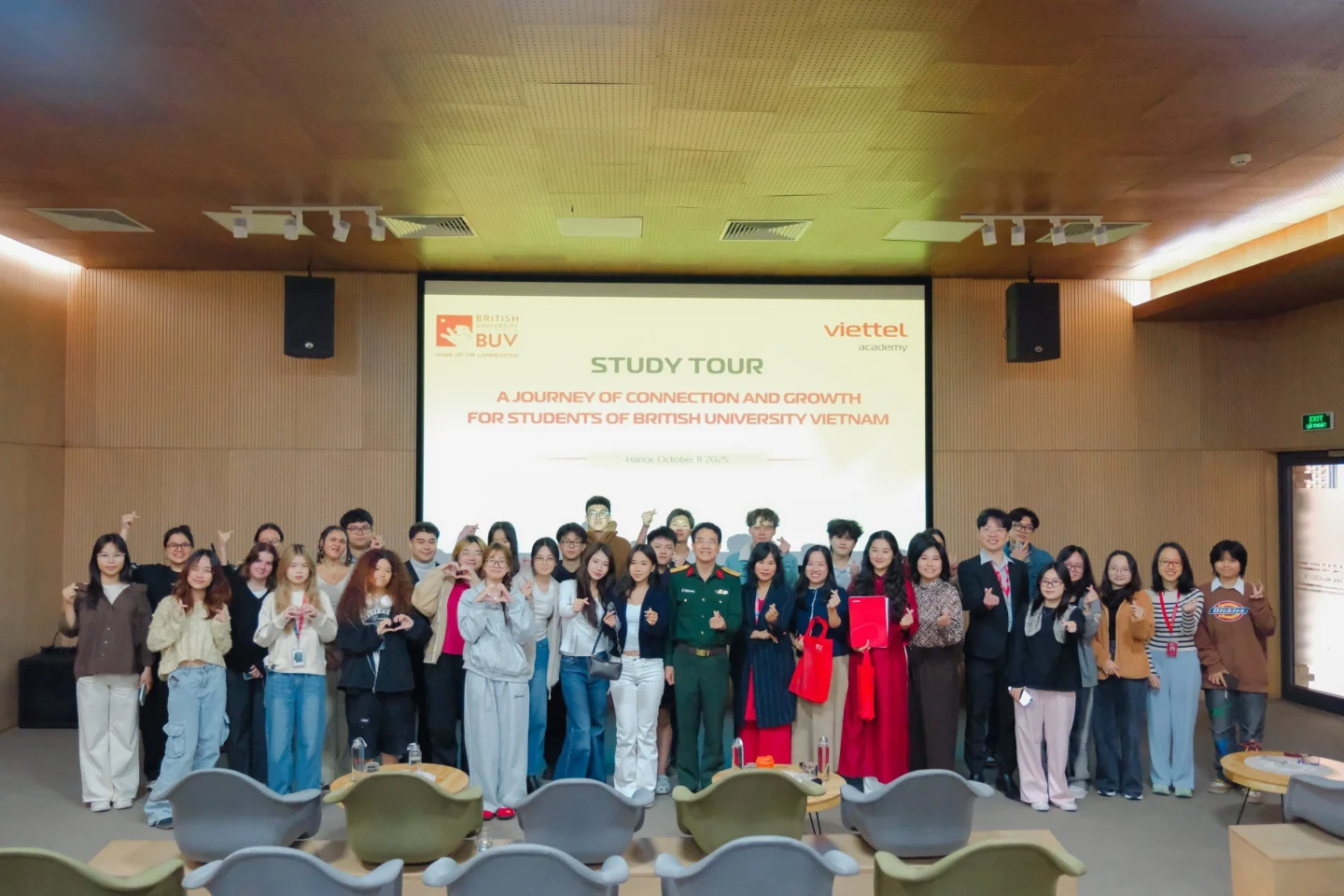
The BUV delegation was welcomed by Colonel Dương Xuân Phượng, Deputy Director of Viettel Academy, and Nguyễn Hà Thương, Media Officer from Viettel’s Brand & Communications Department.
After exploring Viettel Academy’s modern training spaces, students were introduced to Viettel’s nearly four decades of growth. Today, Viettel is recognised as the second strongest telecom brand in the world and is listed among the top 20 most valuable global telecom brands.
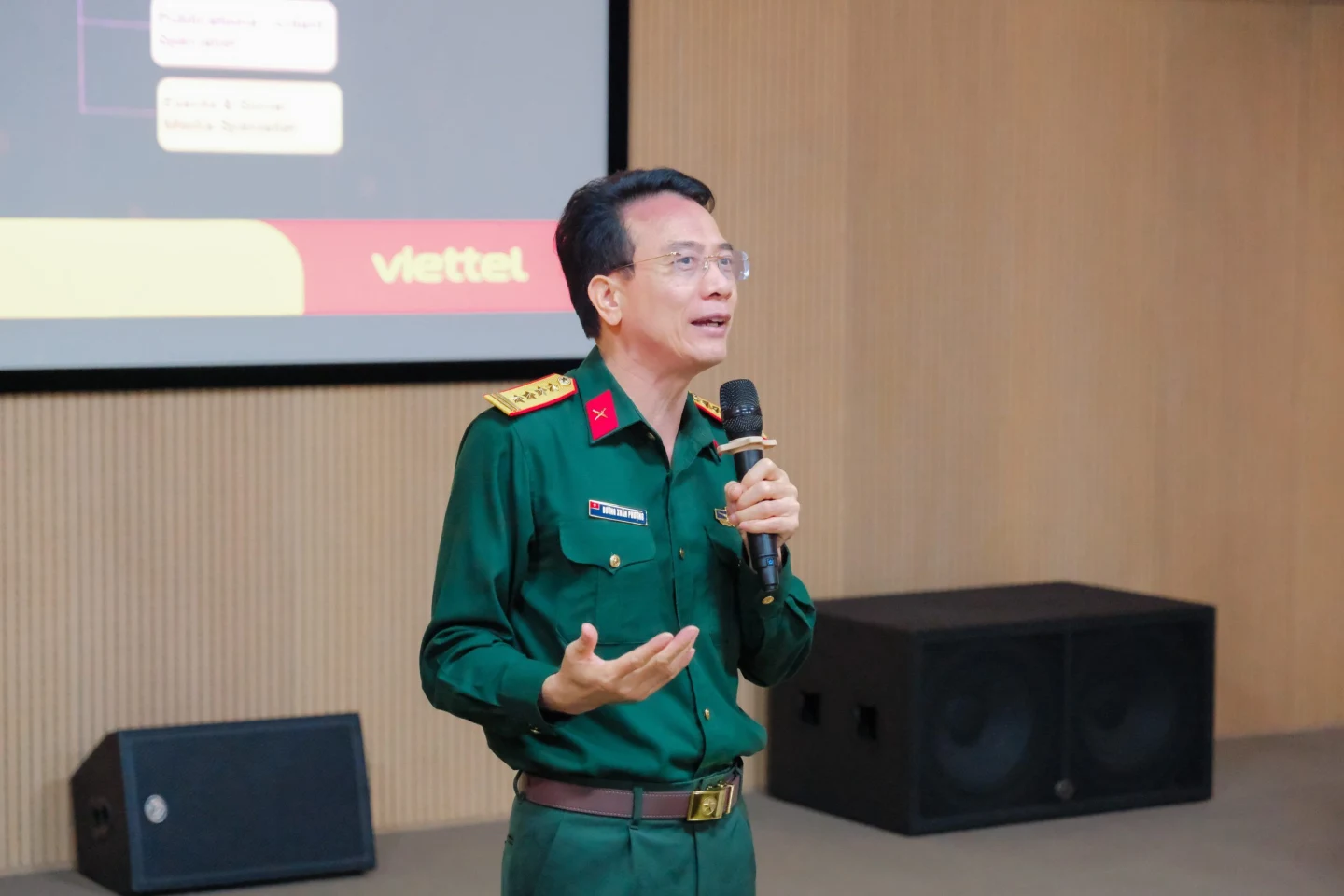 Colonel Dương Xuân Phượng also discussed Viettel’s distinctive human resource philosophy and workplace culture
At Viettel, career progression is based on talent and performance, not rank or seniority. The belief that “those who do well will lead” reflects a culture that values initiative, responsibility, and effectiveness—qualities that align closely with the aspirations of young professionals in communications, marketing, and technology.
A highlight of the study tour was the discussion surrounding Viettel’s recent rebrand from green to red. While the change marked a significant shift for teams who had worked with the former identity since 2003, it was a strategic step to ensure the brand stayed ahead of the curve.
“We changed from green to red for four reasons: the digital space is becoming more crowded, young people’s preferences are shifting, red is the colour of our national flag and the colour of blood, and it is also the favourite colour of users,” Colonel Xuân Phượng shared.
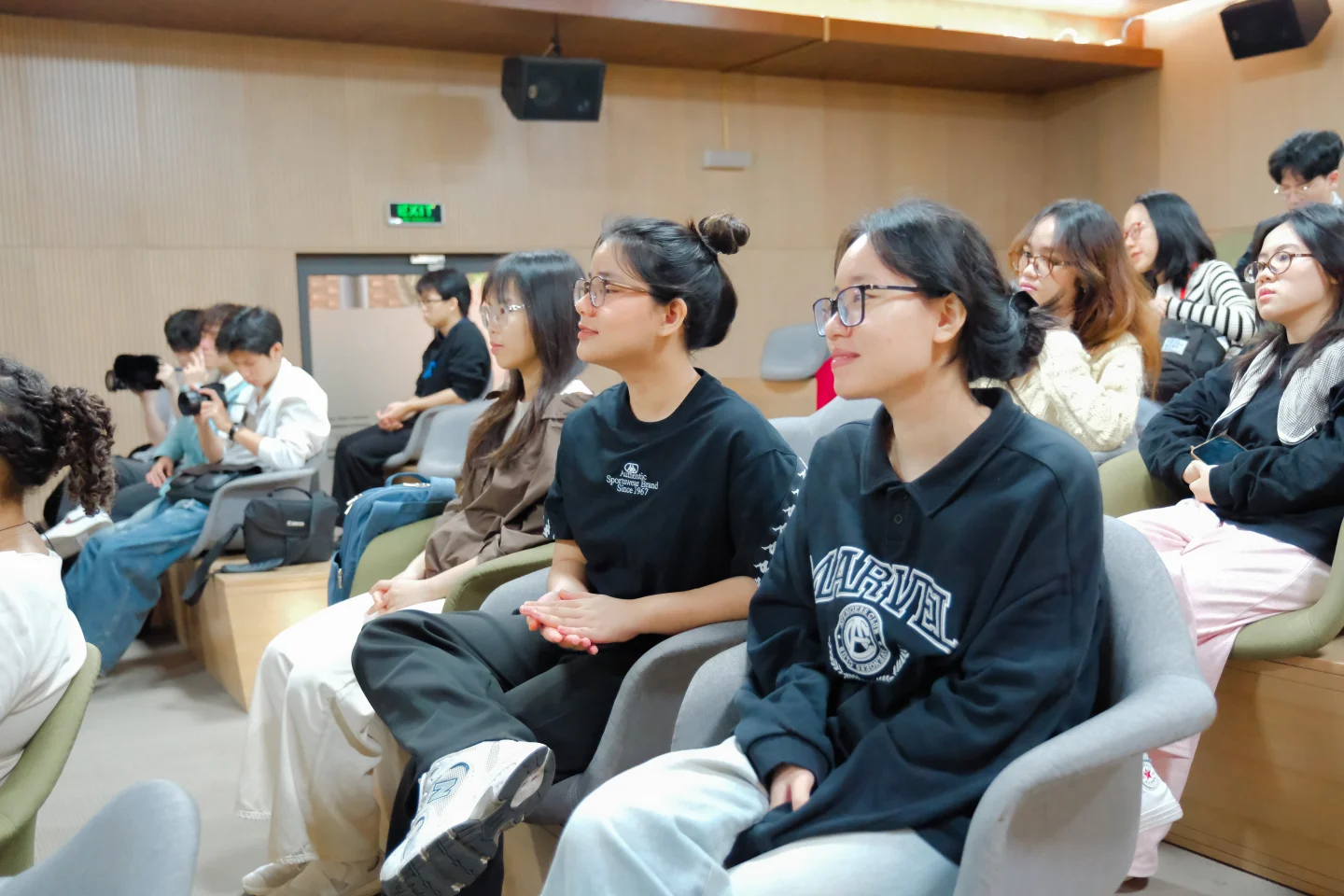
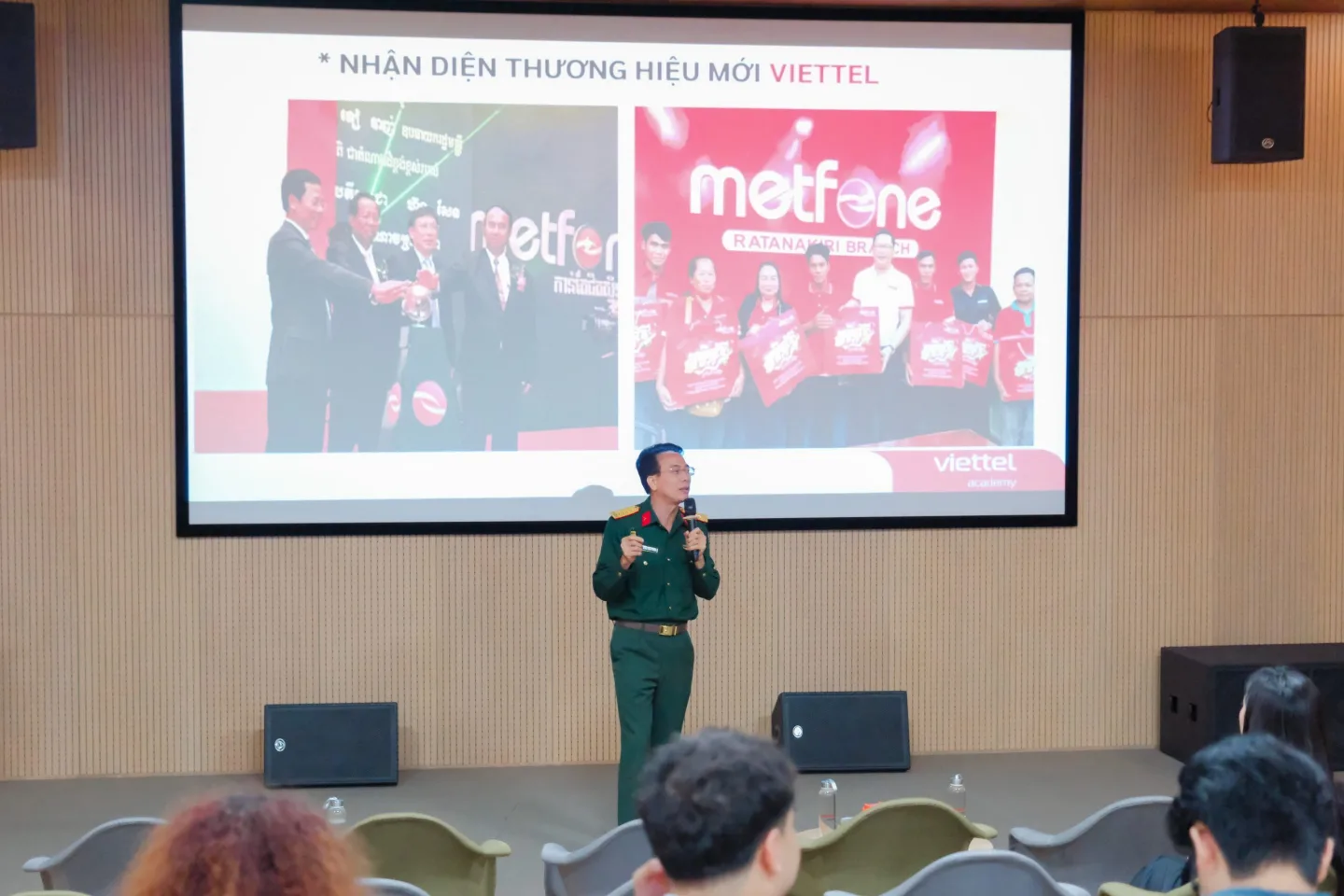
In the following session, the Brand & Communications team provided students with a closer look at Viettel’s global brand strategy. A central approach has been localisation: instead of using one global brand, Viettel develops separate brands for each market, such as Metfone in Cambodia, Unitel in Laos, and Telemor in Timor-Leste. This method requires substantial effort but allows Viettel to build trust, cultural alignment, and meaningful market presence – positioning the group as a representative of Vietnamese values abroad.
Students also learned about Viettel’s business strategy of “differentiating to lead.” Rather than focusing solely on urban or high-income markets, Viettel intentionally began by serving rural communities, which make up around 75% of potential users. Alongside this, the company’s communication activities are consistently tied to social responsibility programmes such as “Heart for Kids” and “Operation Smile Vietnam”, showing how impactful communication can extend beyond traditional advertising.
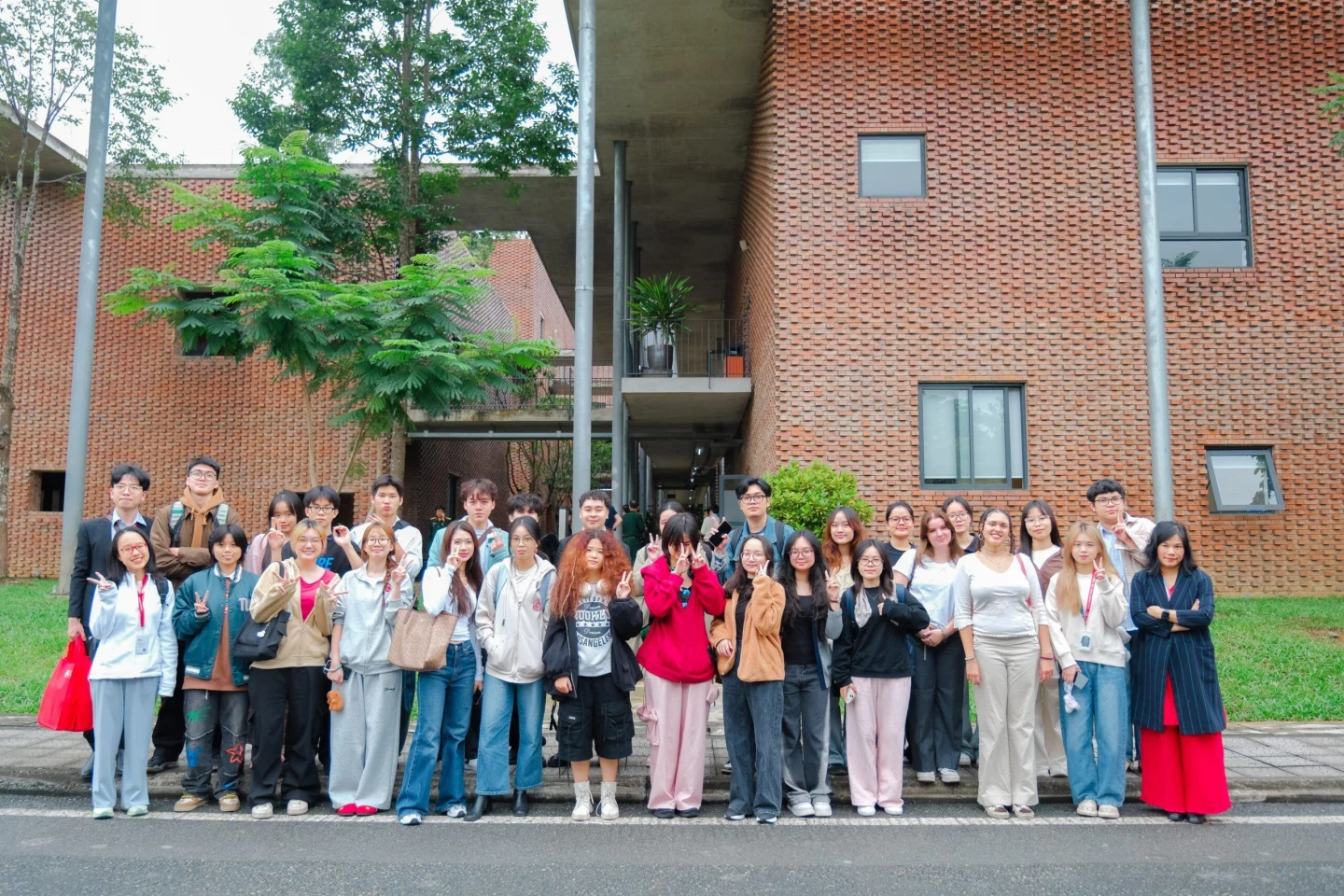
For BUV students, the study tour offered a valuable opportunity to see how a major national brand operates, innovates, and adapts to global markets – knowledge that cannot be fully captured through classroom learning alone. This aims to strengthen industry exposure, nurture practical understanding, and broaden students’ perspectives on the communications and creative sectors. Through the experience, SoCCI students not only learned from the strategic mindset of a leading corporation but also gained a clearer view of the global business landscape, career pathways, and new opportunities in the digital era.
Undergraduate
Pathways
Pathways
Postgraduate
Postgraduate
Postgraduate
MORE TO EXPLORE


