Innovation Begins with Understanding People: BUV Students Win Awards at Global Start-up Design Thinking Hackathon 2026
What happens when a technology-driven idea begins with empathy for everyday challenges, from the anxieties of caring for a newborn to older adults misplacing belongings or students feeling isolated on campus? Drawing inspiration from the world around them, four students from BUV’s School of Computing and Innovative Technologies won one Silver Prize and three Bronze Prizes at the Global Start-up Design Thinking Hackathon 2026, held at Chung-Ang University in South Korea.
Our website uses cookies to enhance your user experience and improve the effectiveness of our marketing activities. By clicking “Accept” or closing this window to continue browsing, you consent to our use of all cookies. If you do not agree to all cookies, please select “Manage cookies”. Learn more about our Privacy Policy and Cookie Policy for full details.
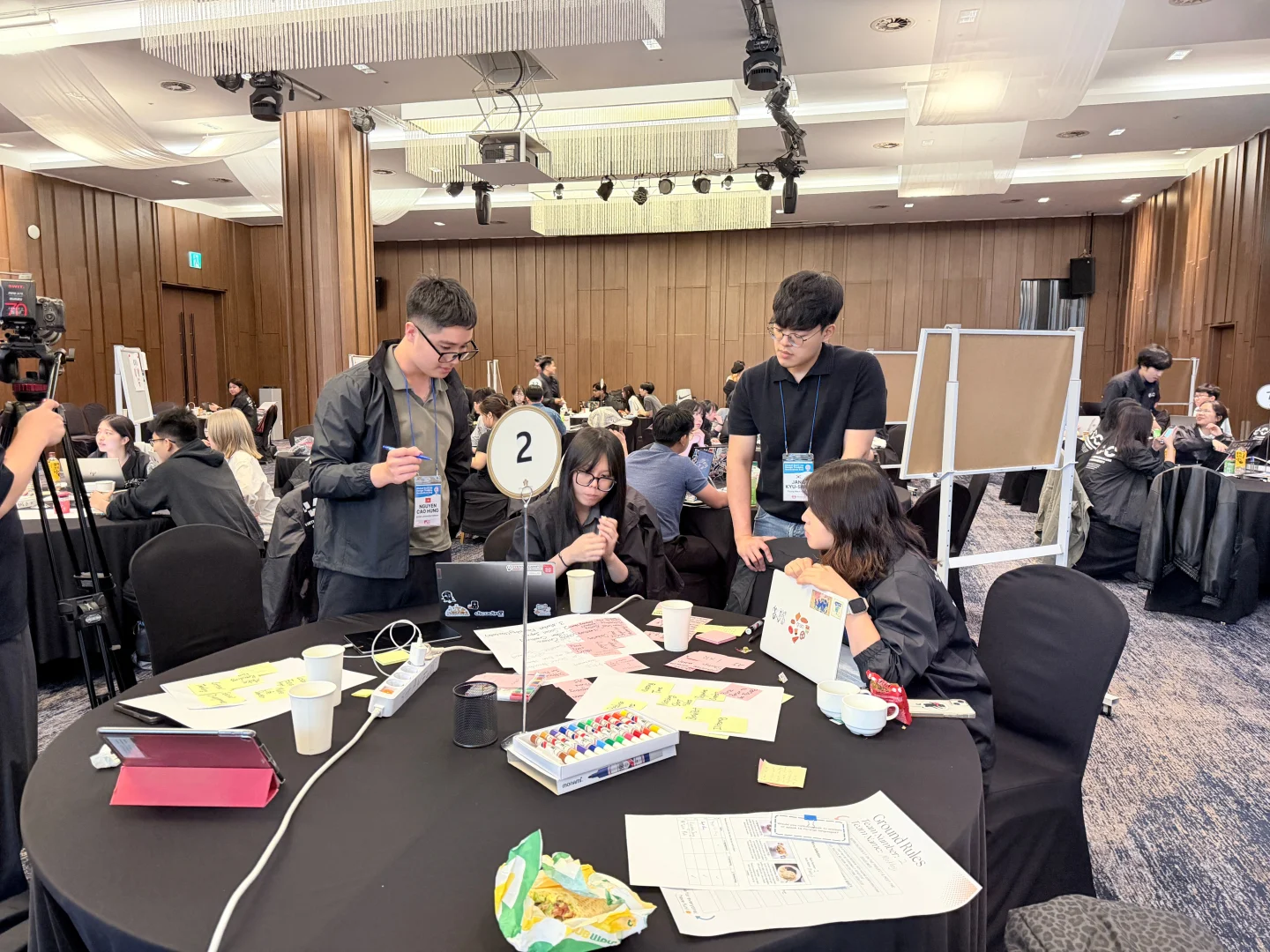
Over four days of the competition, the students presented their ideas alongside 60 participants from five countries. Their projects stood out for their human-centred approach, starting with real-life experiences and specific user needs rather than focusing solely on what technology could do.
Turning Personal Experiences into Solutions for the Wider Community
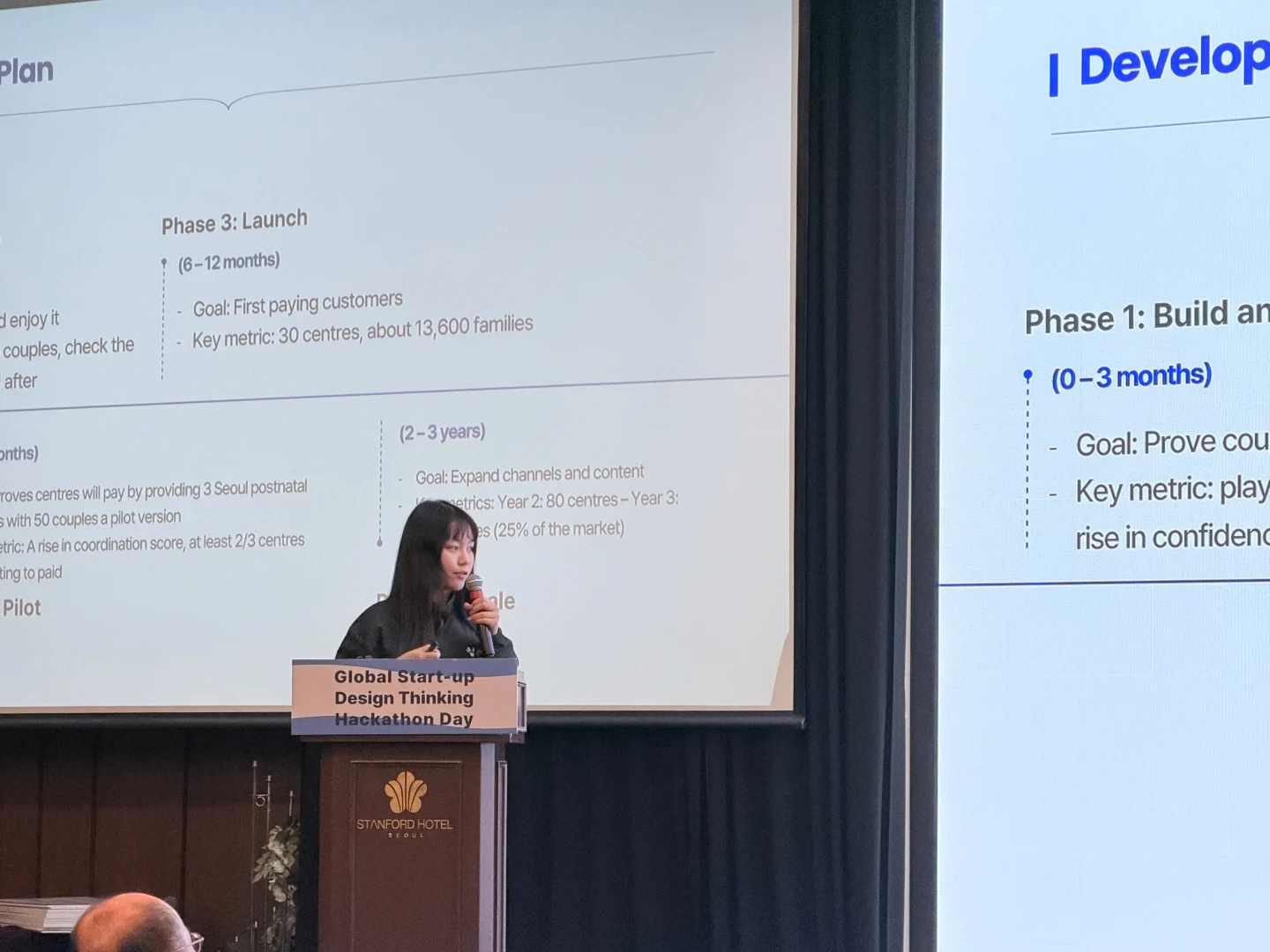
Winning the Silver Prize, Nguyen Ngoc Hai Tran, a Data Science and Artificial Intelligence student, developed Co_by, a virtual reality (VR) game that allows expectant parents to practise childcare scenarios together in a safe, simulated environment.
The idea emerged from Tran’s research into South Korea’s declining birth rate and the anxieties that make some people hesitant about having children. She identified one challenge her project could help address: the uncertainty many first-time parents experience when faced with the responsibilities of caring for a newborn. Beyond helping parents better understand what childcare entails, the project also seeks to raise awareness of the often-overlooked caregiving responsibilities shouldered by women within families.
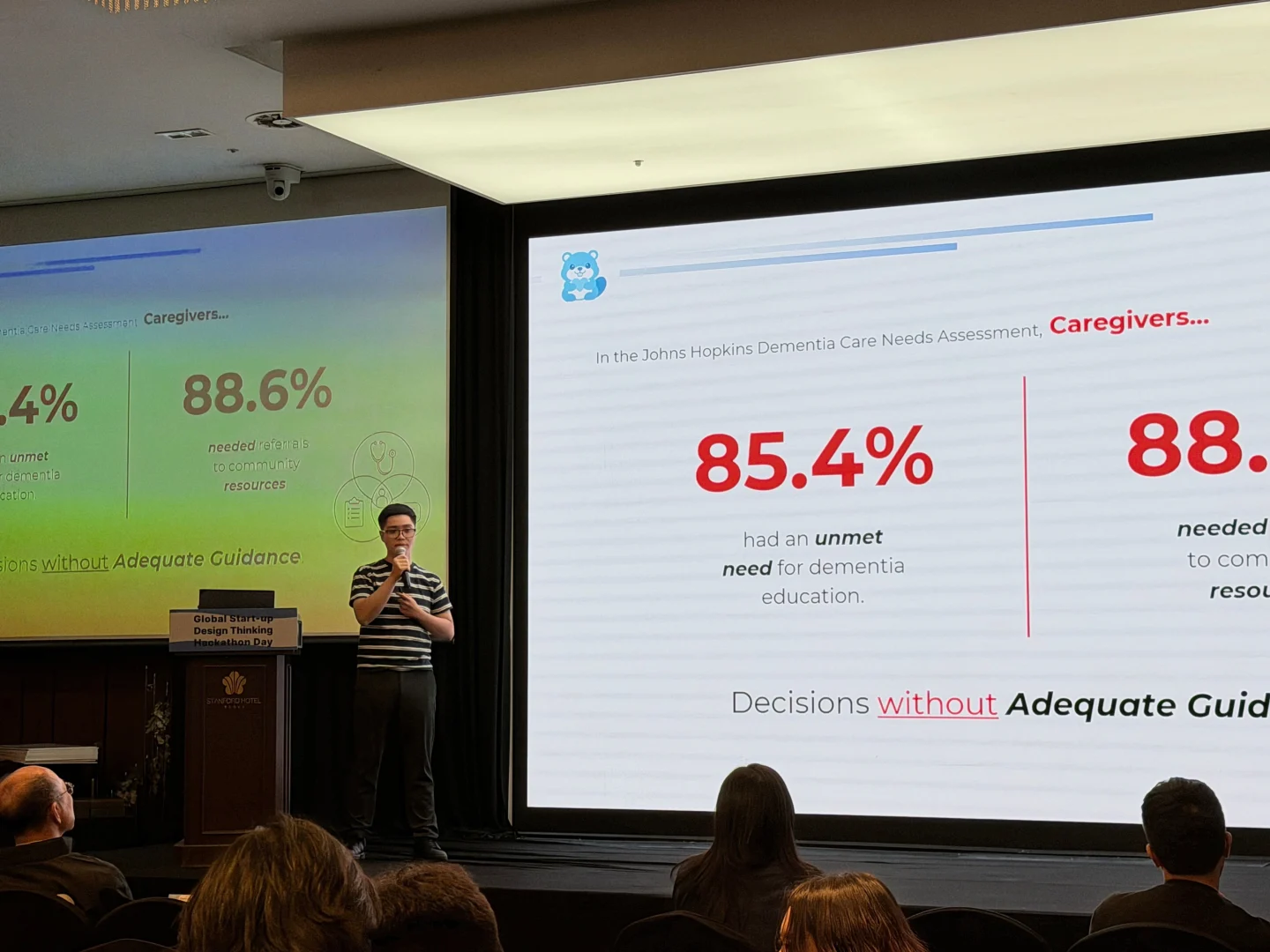
Inspired by his own family experiences, Nguyen Cao Hung, a student on the Data Science and Artificial Intelligence programme, won a Bronze Prize for a VR game designed to train caregivers in supporting people living with dementia. Having grown up with his grandparents and witnessed changes in their memory, Hung wanted to create a solution that could help his own family while supporting other caregivers facing similar challenges. Through simulated scenarios, users can practise caregiving skills and develop a better understanding of the needs of people living with dementia, fostering greater empathy towards them.
Both projects demonstrate how observing everyday challenges can provide the starting point for identifying problems and developing relevant technological solutions.
Addressing Overlooked Needs with Technology
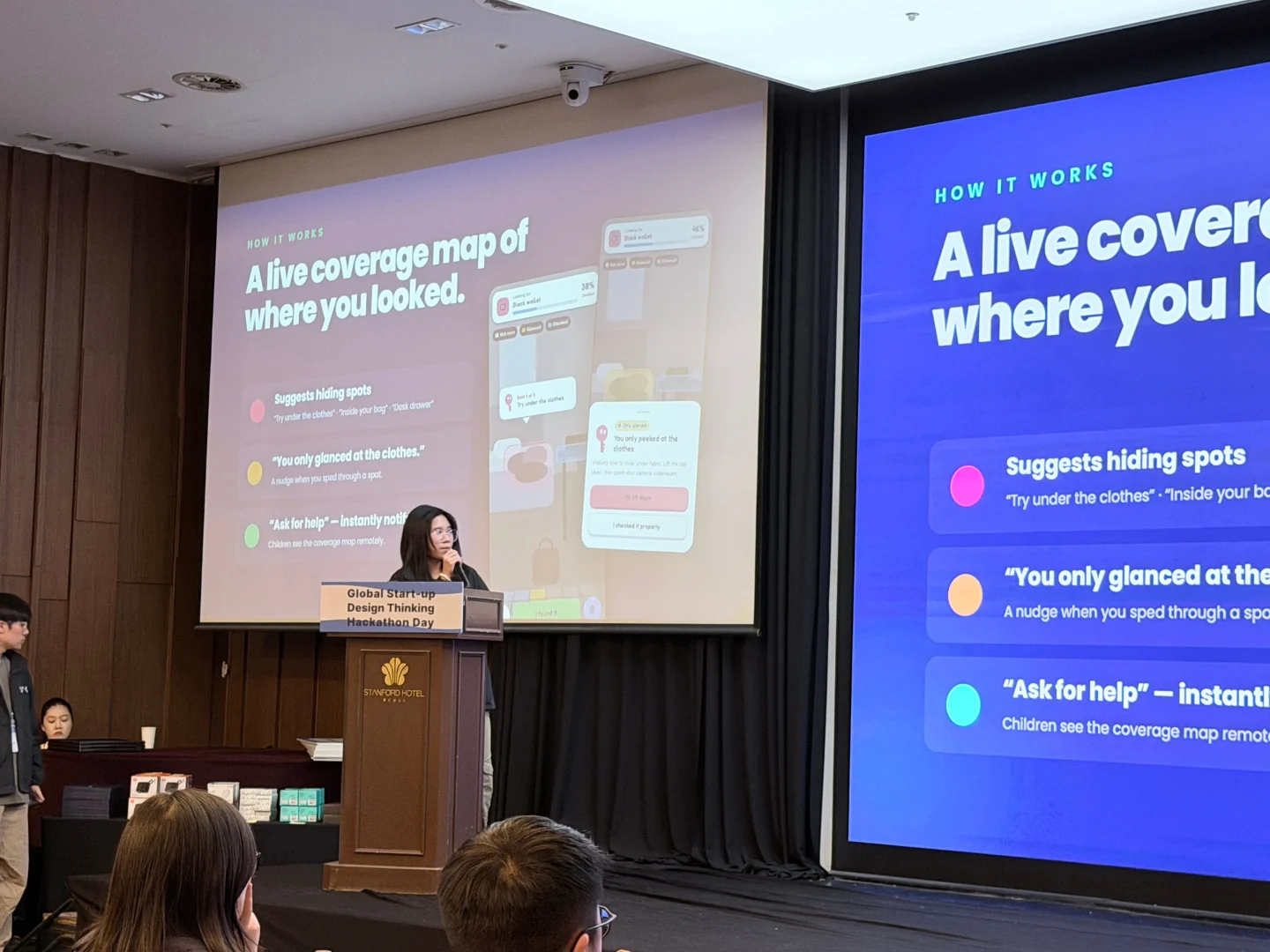
Another Bronze Prize went to Nguyen Phuong Lan, a student on the Data Science and Artificial Intelligence programme, for Find Me, an application designed to help older adults experiencing memory difficulties locate misplaced belongings. In addition to supporting everyday independence, the application allows family members to receive notifications when their loved ones are looking for misplaced items, enabling them to offer assistance remotely. The project addresses both older adults’ daily needs and families’ desire to stay connected when living apart.
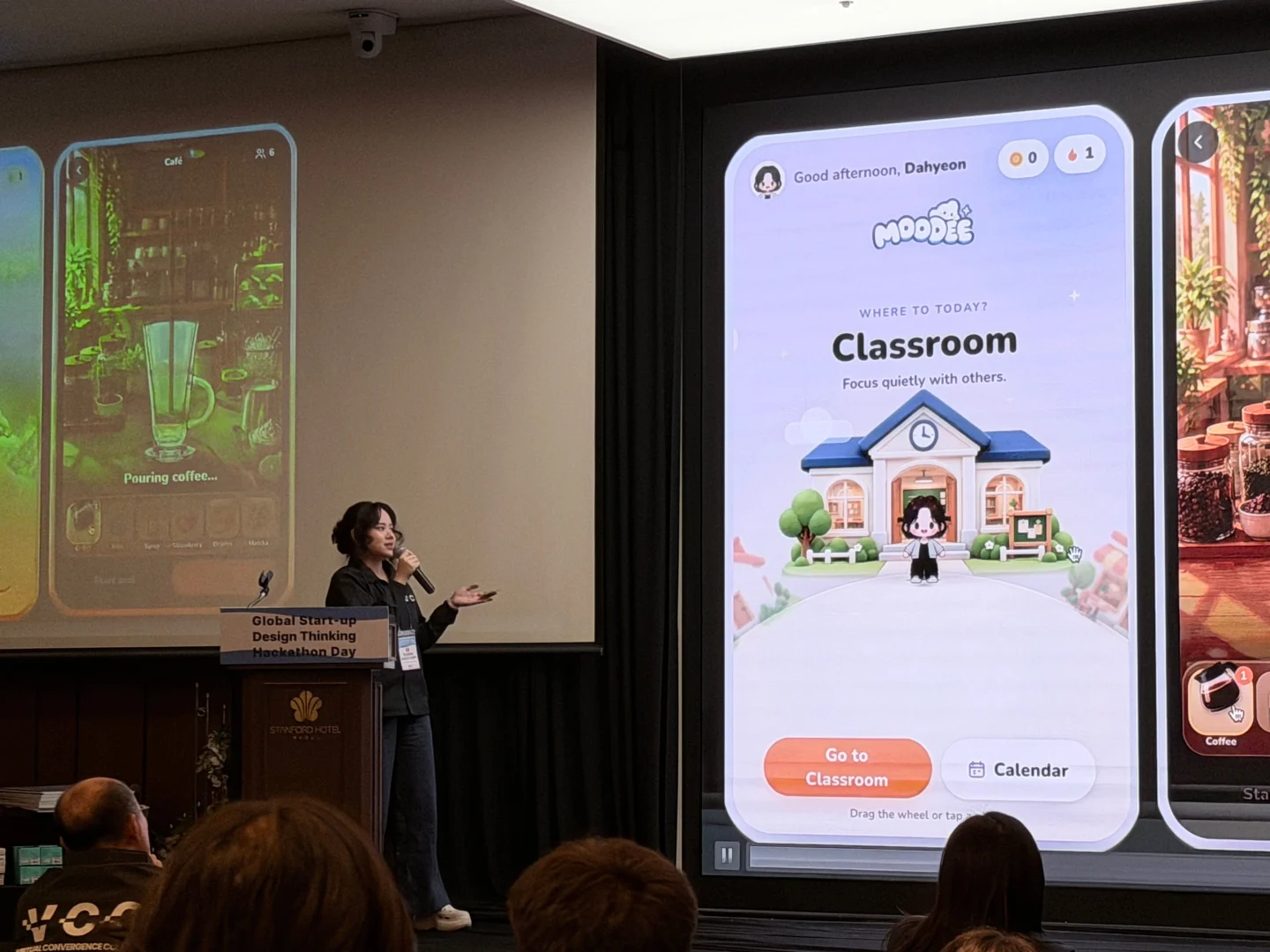
Meanwhile, Duong Ngoc Diep, a student on the Software Engineering programme, developed the concept of a virtual world where university students can find supportive communities and build social connections. Inspired by her experience supporting a friend who faced challenges in the learning environment associated with ADHD, Diep recognised the importance of creating a space where people with similar experiences could find understanding, build relationships and feel less alone.
Rather than focusing solely on academic performance, Diep’s idea also considers how social connections and a sense of belonging can shape the university experience for neurodivergent students facing similar challenges.
Combining Technical Knowledge with Human-Centred Design
Although the four projects address different users and needs, they share a common starting point: observing everyday life, identifying problems and seeking solutions from the perspective of those who experience them firsthand.
To turn these observations into technological solutions, the students drew on knowledge from specialist modules, including UX Design, databases, information management and AI. Their learning at BUV has also encouraged them to identify target users and understand the challenges they face, enabling them to develop ideas with a clearer direction and stronger alignment with real-world needs.
Beyond their academic knowledge, extracurricular experiences at BUV, particularly founding and leading student clubs, have helped the students develop essential communication, teamwork and leadership skills. BUV’s multicultural learning environment also exposes students to diverse perspectives, encouraging them to embrace differences and collaborate effectively to solve problems. These experiences have equipped all four students with the confidence to take on key roles, including team leaders and coordinators, in an international team.
“I am incredibly proud of our students and what they have achieved at the Hackathon," shared Assoc. Prof Ali Al-Dulaimi, Head of the School of Computing & Innovative Technologies, "Their performance demonstrated the importance of putting people at the heart of innovation – understanding real needs, approaching challenges with empathy, and applying their knowledge creatively to develop meaningful solutions. At BUV, we are committed to nurturing this mindset across disciplines, empowering students to turn their ideas into solutions that can make a positive difference in people’s lives and communities.”