BUV launches Vietnam Employability Report 2026 to help graduates prepare for a changing workplace
Digital capability is becoming an essential part of graduate recruitment. Yet employers also need young people who can manage their time, solve problems and adapt when work does not go as planned. BUV’s new research explores these expectations and how universities and businesses can help students meet them.
Our website uses cookies to enhance your user experience and improve the effectiveness of our marketing activities. By clicking “Accept” or closing this window to continue browsing, you consent to our use of all cookies. If you do not agree to all cookies, please select “Manage cookies”. Learn more about our Privacy Policy and Cookie Policy for full details.
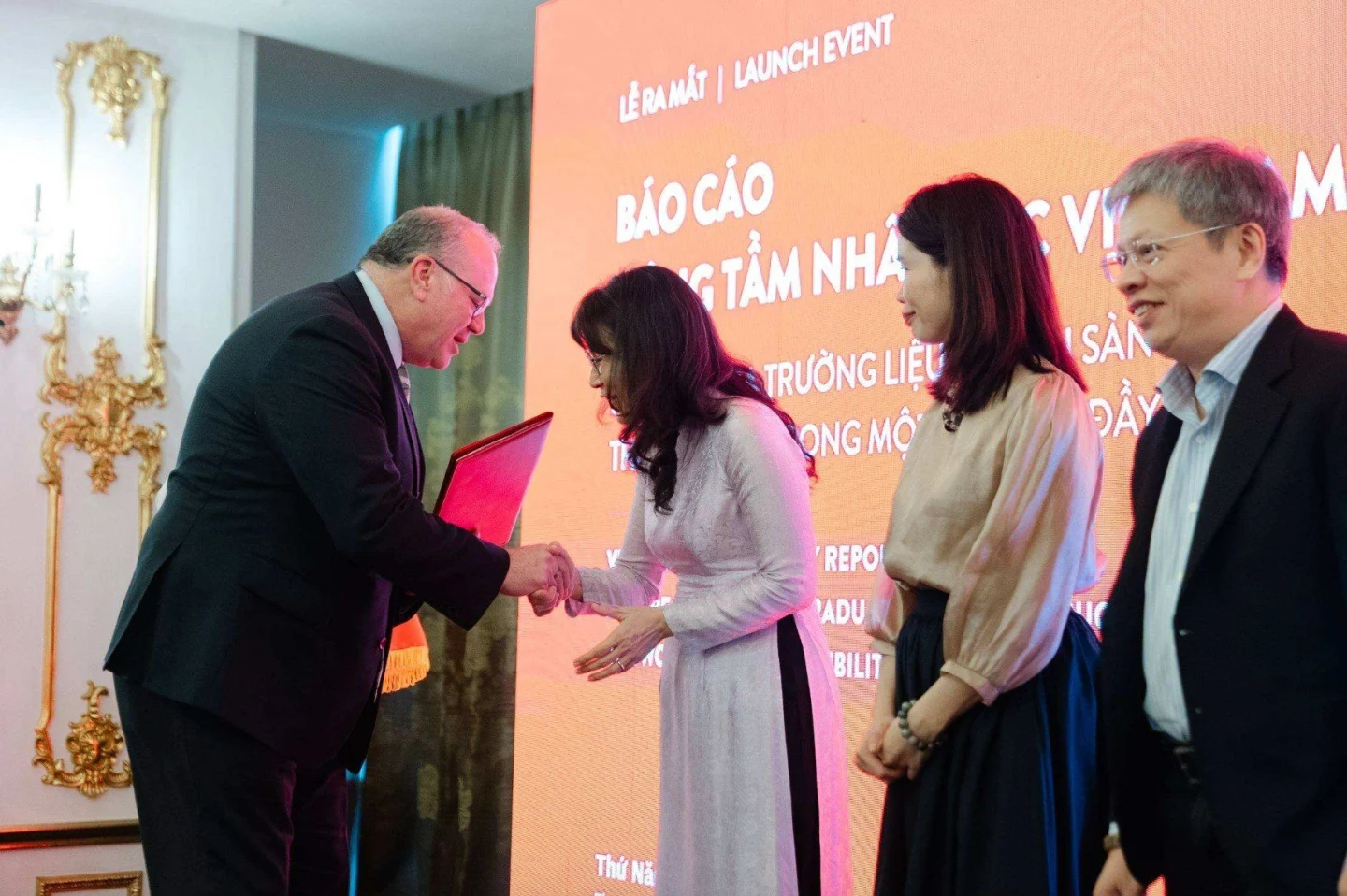
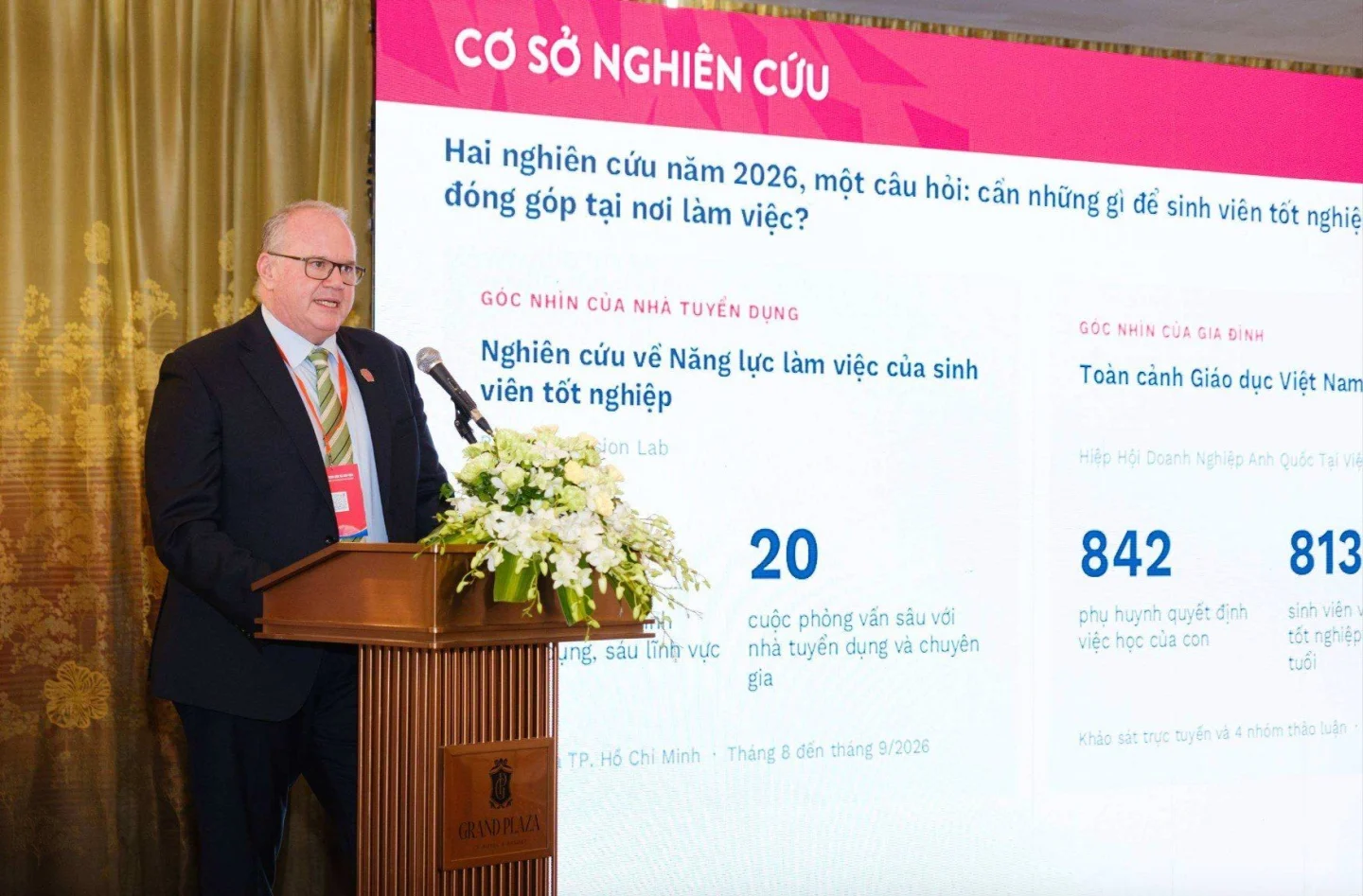
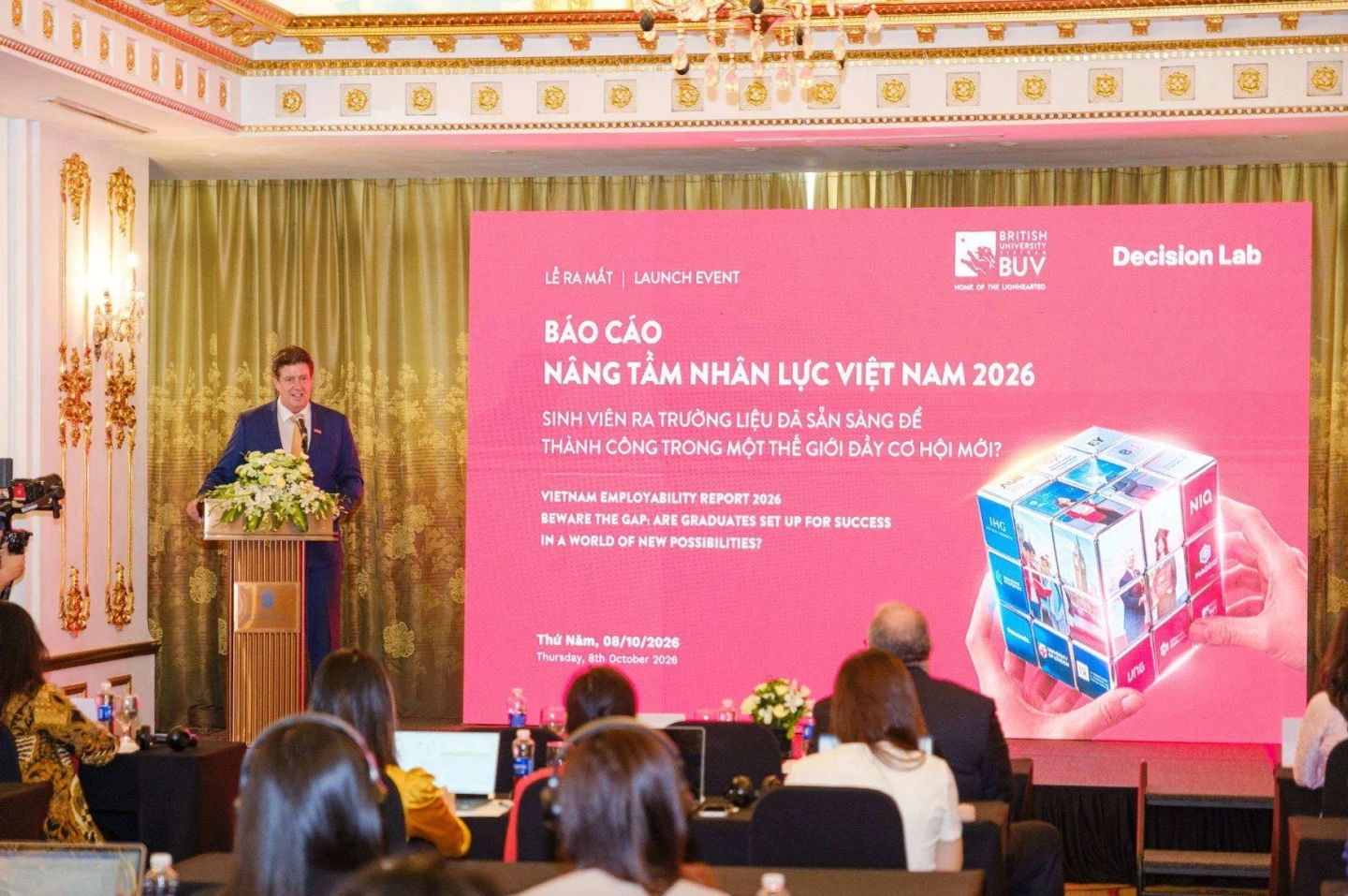
On 8 October 2026, British University Vietnam (BUV), in collaboration with Decision Lab, launched the Vietnam Employability Report 2026 at the International Conference on Educational Cooperation in the Digital Era and Education & EdTech Exhibition (IECEE 2026), hosted by the Ministry of Education and Training.
Drawing on a survey of 375 domestic and international companies, the report examines what employers look for in fresh graduates, where capability gaps remain and how AI is changing recruitment. BUV also introduced its Degree Plus education model, connecting academic study with structured skills development and practical experience.
Understanding the capabilities employers need
Across the seven capability areas assessed, employers rated digital literacy as the only area in which fresh graduates exceeded expectations, by three percentage points. The largest shortfalls were in time management and problem-solving, with gaps of 26 and 23 percentage points respectively. Communication and adaptability followed, with gaps of 12 and 11 points.
These gaps become particularly visible when graduates face urgent deadlines, incomplete information or tasks that require coordination with others. Employers need people who can prioritise, keep commitments, raise concerns early and propose solutions.
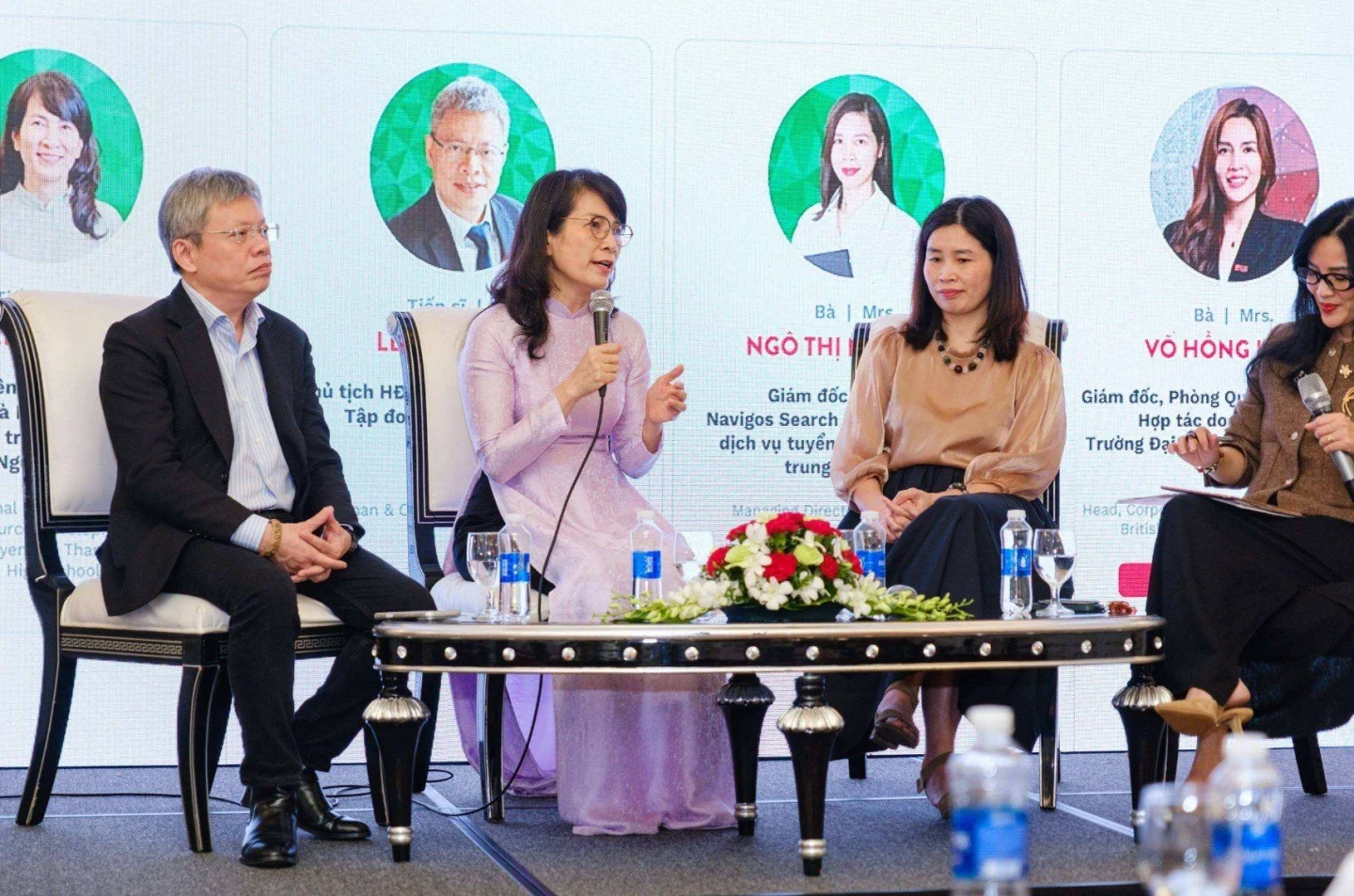
Attitude also matters. During the expert panel discussion, “Shaping the talent profile for the Industry 4.0 era”, Ms Ngo Thi Ngoc Lan, Northern Regional Director, Navigos Search, explained:
“Employers do not expect young people to have extensive technical expertise or experience. What they look for first is attitude: a willingness to commit for the long term and the resilience to persevere through challenges.”
AI raises the entry bar
Although graduates broadly meet current expectations for digital literacy, the standard is rising. Some 94% of employers reported expecting greater digital and AI capability than they did two to three years ago, while 83% said AI had changed, or was beginning to change, their hiring criteria.
For most employers, the priority is practical application. The report found that 79% expect graduates to use common AI tools fluently in daily work or apply them to problems specific to their roles. Only 3% require AI programming or data analysis skills.
This places greater emphasis on students’ ability to use technology effectively while exercising judgement about the quality and value of their work.
“The more powerful technology becomes, the sharper human judgement needs to be. The key question is no longer simply what qualification a student holds at graduation, but what their actual capabilities allow them to do on their first day at work,” said Mr Paul Bennett, Chief Marketing Officer, BUV.
Building stronger connections between universities and employers
The report also highlights opportunities for deeper collaboration. While 59% of businesses take on student interns, only 15% contribute to curriculum design, and 23% do not collaborate with any university.
For internships to develop capability, the report identifies three essential conditions: meaningful work, close supervision and evidence of students’ contributions.
Dr Le Quoc Vinh, Chairman and CEO, Le Group, illustrated how internships can create a pathway into employment:
“Around 15–20% of the young people we recruit come from our own pool of interns, representing a wide range of universities, including BUV. We believe that the ability to integrate into the company, understand how we work and embrace our cultural values is essential.”
Dr Nguyen Thi Thu Anh, Member of the National Council for Education and Human Resource Development; Former Principal, Nguyen Tat Thanh Secondary and High School, emphasised the shared responsibilities behind effective partnerships:
“Universities need to proactively build connections with businesses and invite them to participate in teaching and learning, contributing not only to curriculum development but also to assessment. In turn, students must demonstrate academic knowledge, professionalism and responsibility for these partnerships to be sustainable.”
Closing capability gaps requires contributions from government, employers, universities and students. At the launch, Prof. Rick Bennett, Deputy Vice-Chancellor and Vice-President, BUV, emphasised that BUV is making the full report publicly available and is committed to continuing the research regularly for the benefit of the education sector.
Connecting qualifications with capability through Degree Plus
BUV’s Degree Plus model combines a UK university degree with the Global Employability Passport, awarded at graduation. The Passport brings together three pillars of development alongside students’ academic programmes.
Professional Skills comprises six 12-week modules, including Time Management & Project Management and Applied AI & Digital Literacy. Students apply their learning through internships and real-world projects supported by BUV’s network of more than 500 corporate partners.
Personal Skills comprises five 12-week modules, including Strategy & Problem Solving and Resilience & Adaptability, with these modules included in tuition fees.
International Mobility connects BUV’s international campus environment with opportunities for exchanges, study and internships abroad through more than 80 partner universities in 19 countries.
Together, these experiences help students connect academic knowledge with the professional, personal and international capabilities needed in a changing workplace.
BUV’s model, which combines academic education with workplace skills development, aligns with the direction of Politburo Resolution No. 71-NQ/TW on breakthroughs in education and training development. The Resolution emphasises strengthening digital and AI capability, developing people’s qualities and capabilities holistically, and educating global citizens.