BUV at Vietnam Education Forum 2026: Advancing Education Quality for an AI-Ready Workforce
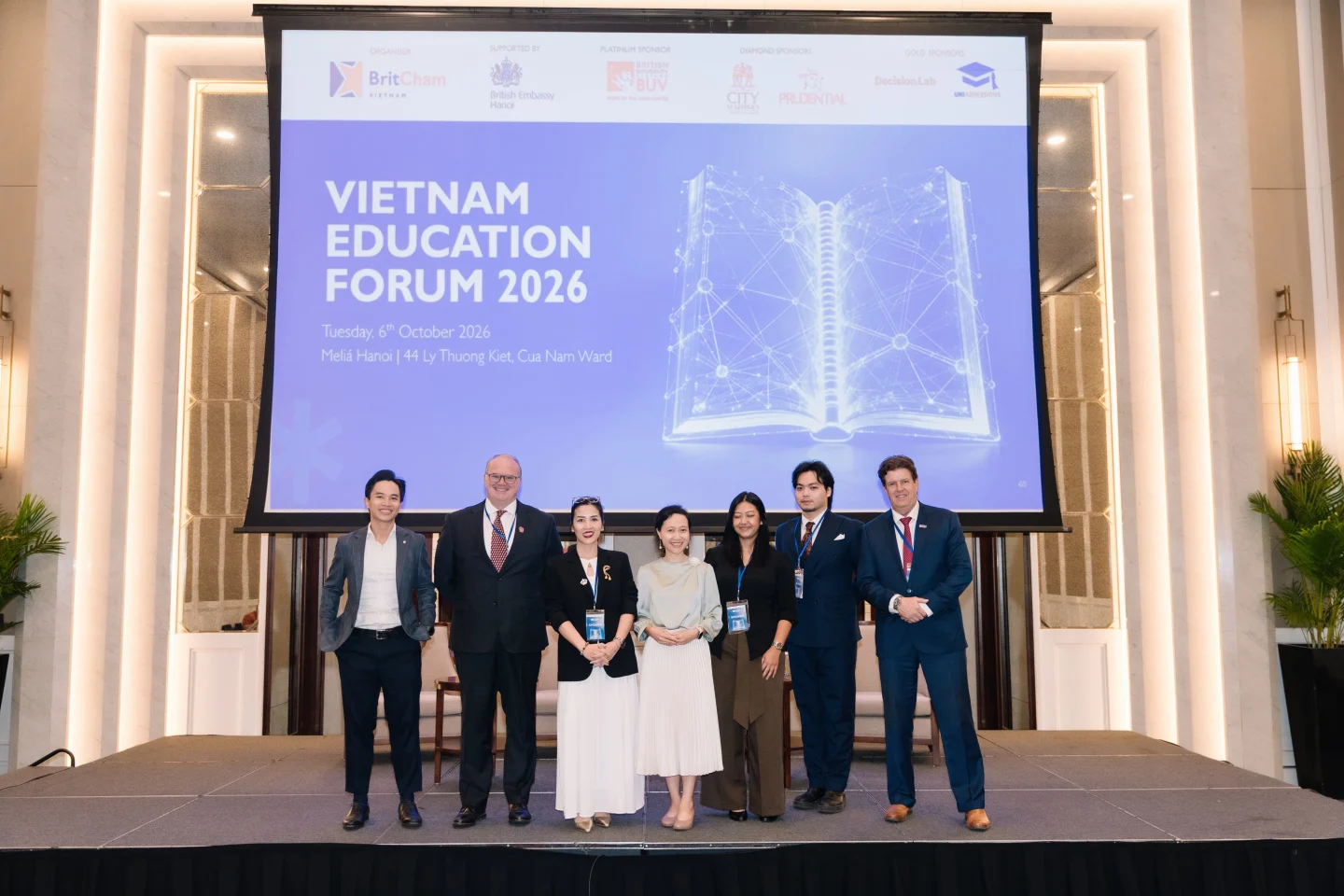
On 6 October, Vietnam Education Forum 2026 (VEF 2026) brought together nearly 200 representatives from government agencies, universities, international education organisations and the business community to discuss the future of education in Vietnam.
Our website uses cookies to enhance your user experience and improve the effectiveness of our marketing activities. By clicking “Accept” or closing this window to continue browsing, you consent to our use of all cookies. If you do not agree to all cookies, please select “Manage cookies”. Learn more about our Privacy Policy and Cookie Policy for full details.
Centred on three key themes: education quality, internationalisation and employability, the Forum explored the need to enhance educational standards, bridge the gap between education and the labour market, and prepare for the changes brought about by artificial intelligence (AI).
As a participating institution, British University Vietnam (BUV) contributed perspectives drawn from its experience of delivering international higher education in Vietnam, highlighting the importance of quality assurance, student experience and aligning education with future workforce needs. BUV also hosted a thematic session on employability, sharing insights and research findings to encourage greater collaboration among universities, families and employers in preparing the future workforce.
Education Quality Must Be Demonstrated Through Real-World Experience
During the panel discussion on education quality, speakers acknowledged that education is entering a period of rising expectations, as students, parents and employers increasingly look beyond qualifications to the tangible value that education delivers.
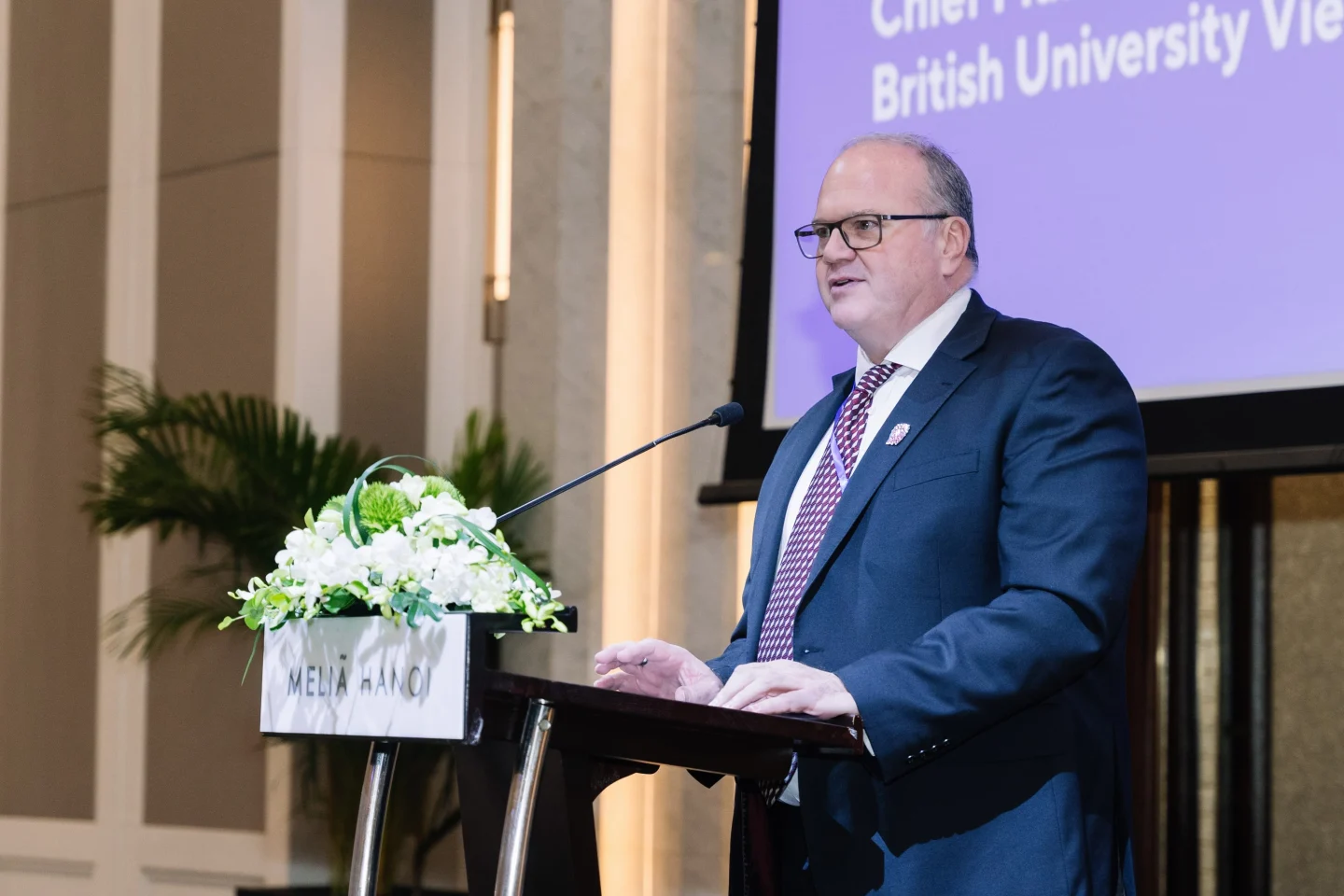
Drawing on the perspective of an international university operating in Vietnam, Professor Rick Bennett, Deputy Vice Chancellor and Vice President of BUV, raised the question of how educational quality should be defined, independently verified and consistently maintained in practice.
According to Professor Bennett, with approximately 150 UK degree programmes currently being delivered in Vietnam, students and families need clear and credible benchmarks to determine which programmes genuinely meet recognised quality standards.
“A university cannot simply claim that it delivers quality education. Quality needs to be independently verified and recognised. At the same time, an institution's reputation is shaped by the actual experiences of its students, parents and employers,” Professor Rick Bennett shared.
During the discussion, he also introduced BUV's Three-Level Quality Assurance Framework, which encompasses compliance with Vietnam's education regulations, adherence to the standards of the education system from which qualifications originate, including the role of organisations such as the Quality Assurance Agency for Higher Education (QAA) in the UK, and recognition through international assessment systems such as QS.
This approach underscores that quality should not be treated merely as a requirement to be met during accreditation. Instead, it must be continuously maintained and demonstrated throughout a university's operations.
Professor Bennett further emphasised the importance of cultivating a culture of quality, in which student feedback, learning experiences, safety, and students' physical and mental wellbeing are all given due consideration. At BUV, the University receives approximately 20,000 pieces of student feedback annually through various channels, alongside its annual student survey, to support ongoing quality monitoring and continuous improvement.
Preparing for the Future Means More Than Training for a Single Job
Building on discussions around education quality and internationalisation, employability emerged as another central theme of VEF 2026, particularly as AI and digital technologies continue to reshape labour market expectations.
As part of the Forum, BUV hosted a dedicated session on employability, examining the gaps between parents' aspirations for their children's futures, the capabilities employers actually seek in graduates, and the role of education in preparing young people from an early stage.
The session brought together representatives from research, education and business, including Sylvia Putri, Head of Education at Decision Lab; Nguyen Thuy Duong, Founder and CEO of TASK Academy; Pham Hoang Ngoc Linh, Head of People & Change Consulting at KPMG; and Nguyen Thach Thang, CEO of Aloha Consulting Group.
Drawing on market research, parental expectations and real-world recruitment practices, the speakers examined the disconnect between the skills students develop through education and the capabilities employers require. They also discussed how education can better prepare the younger generation to adapt to an evolving world of work.
Representing the higher education perspective, Paul Julian Bennett, Chief Marketing and Student Recruitment Officer at BUV, emphasised that employability should not be understood solely as the ability to secure a job after graduation, but also as the capacity to retain career choices and adapt throughout one's professional life.
“Employability is increasingly about more than securing a first job. For many families, it is about whether a young person leaves university with enough capability, confidence and adaptability to retain choices over time,” Paul Bennett shared.
Taken together, the discussions at VEF 2026 highlighted that shaping the future of education in Vietnam is a shared responsibility that calls for coordinated action across the education ecosystem.
Policymakers set the direction and establish standards, while universities translate these into academic programmes and learning experiences. Employers bring practical insights into evolving workforce needs, and students and parents are playing an increasingly active role in shaping what education should deliver.
For BUV, the forum offered an opportunity to share its experience of delivering UK higher education in Vietnam. It also highlighted BUV’s commitment to maintaining international standards, listening to students’ experiences and ensuring that its educational offering remains relevant to the practical needs of the labour market.